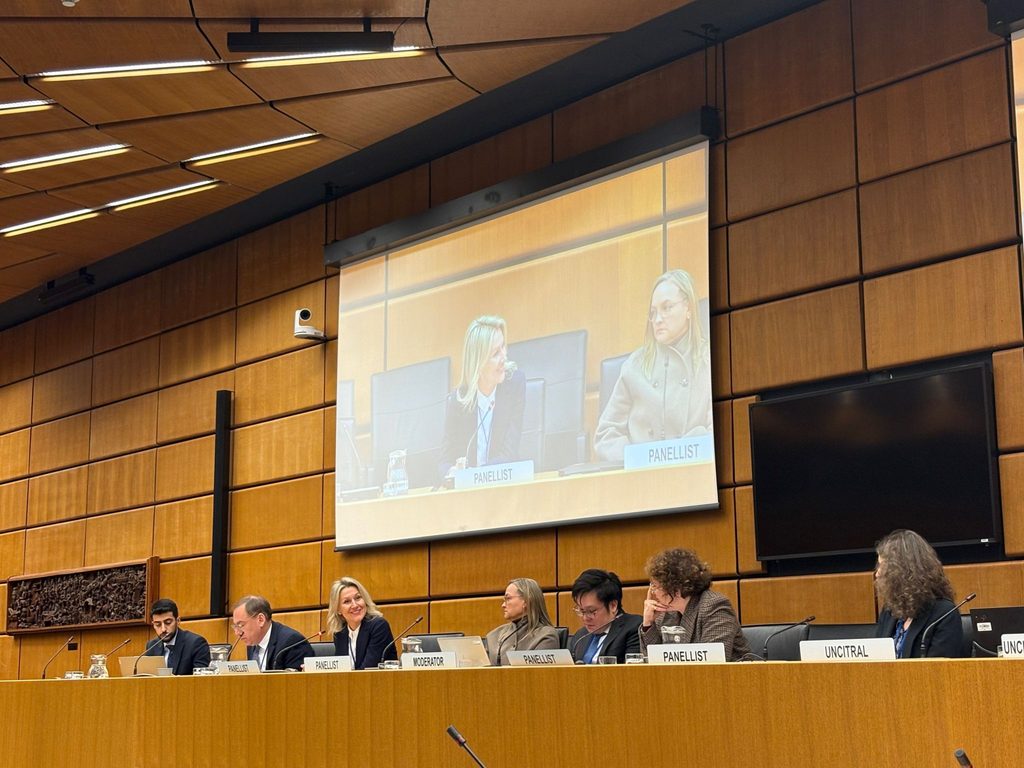
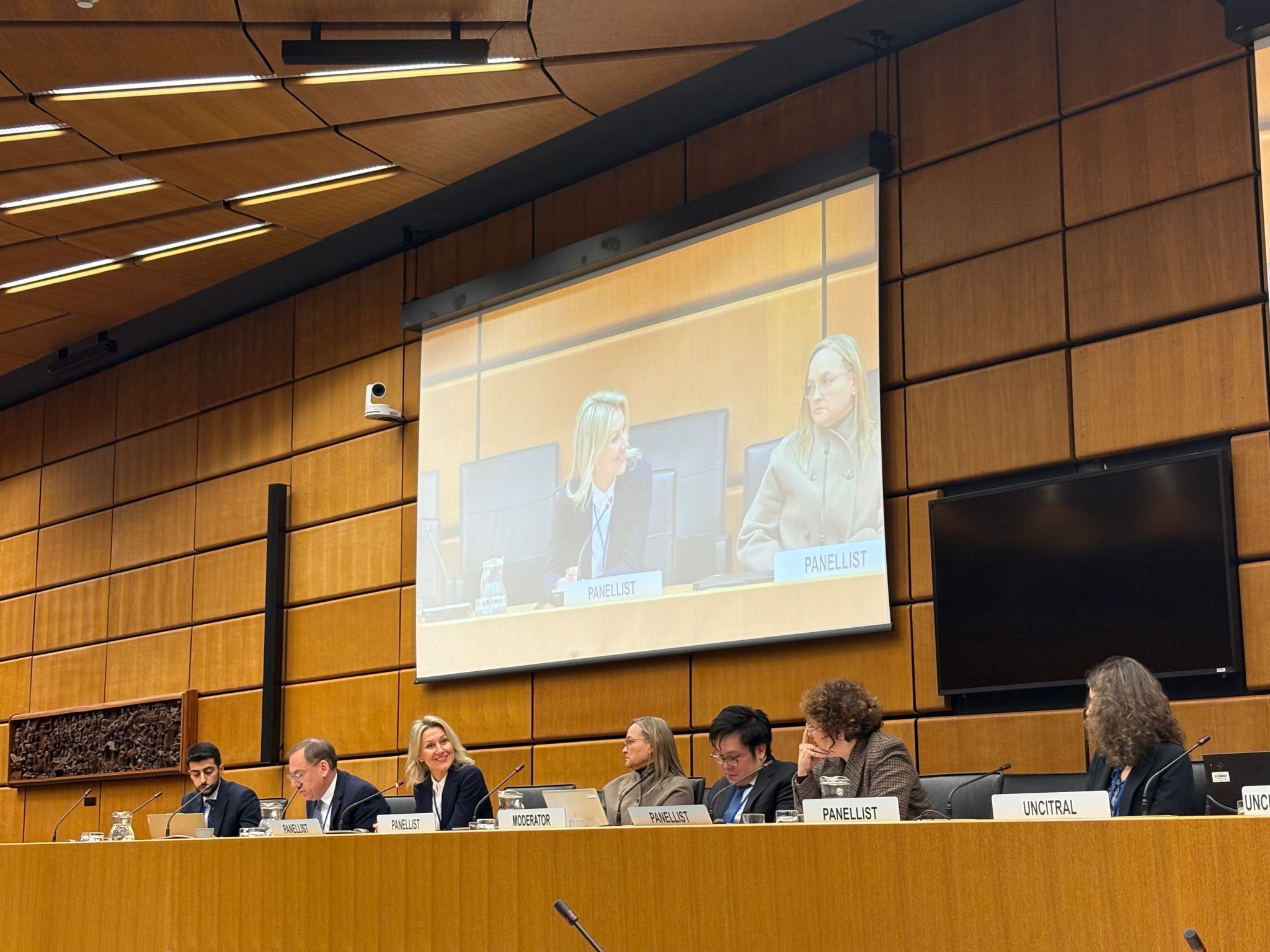
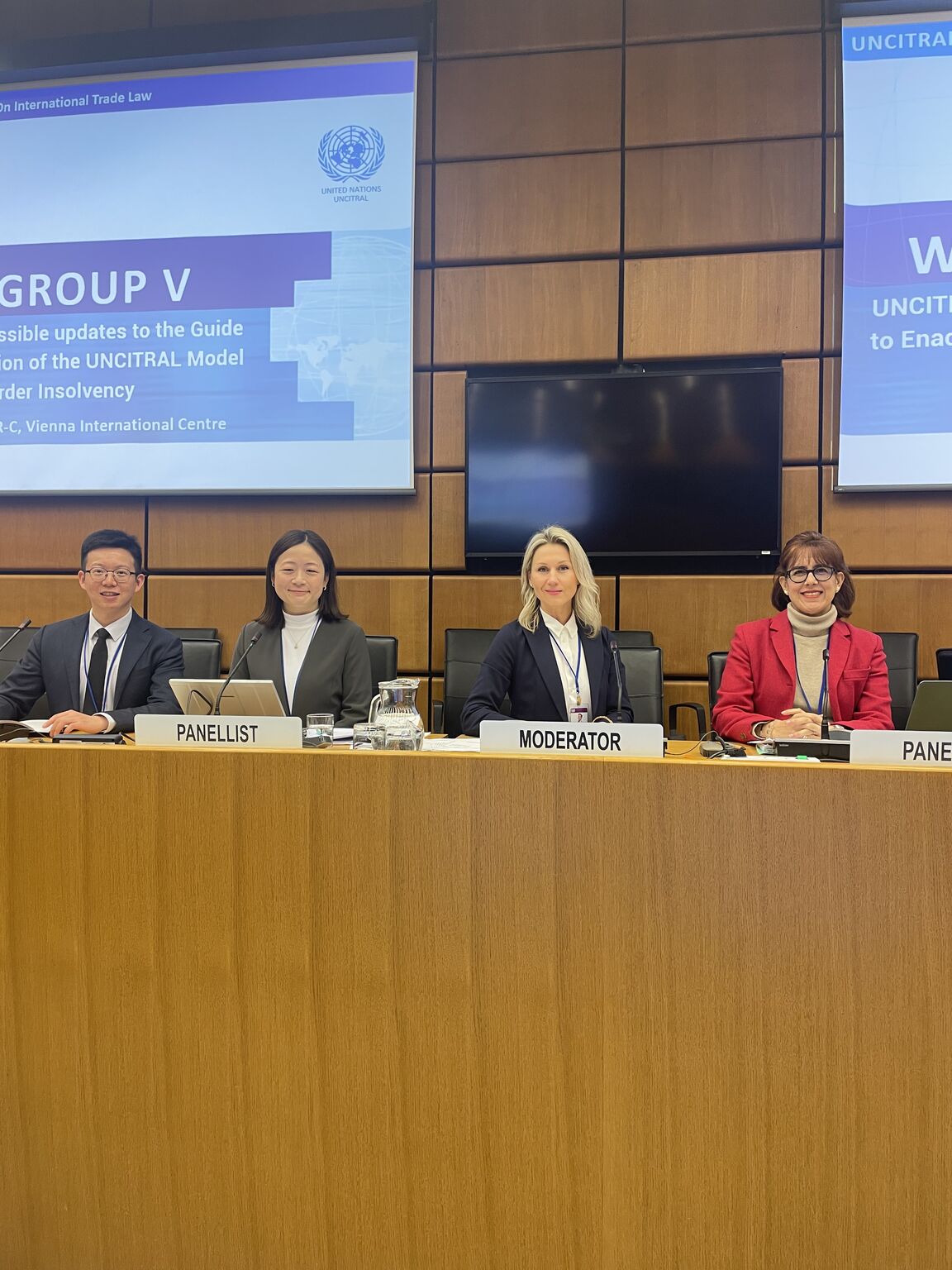
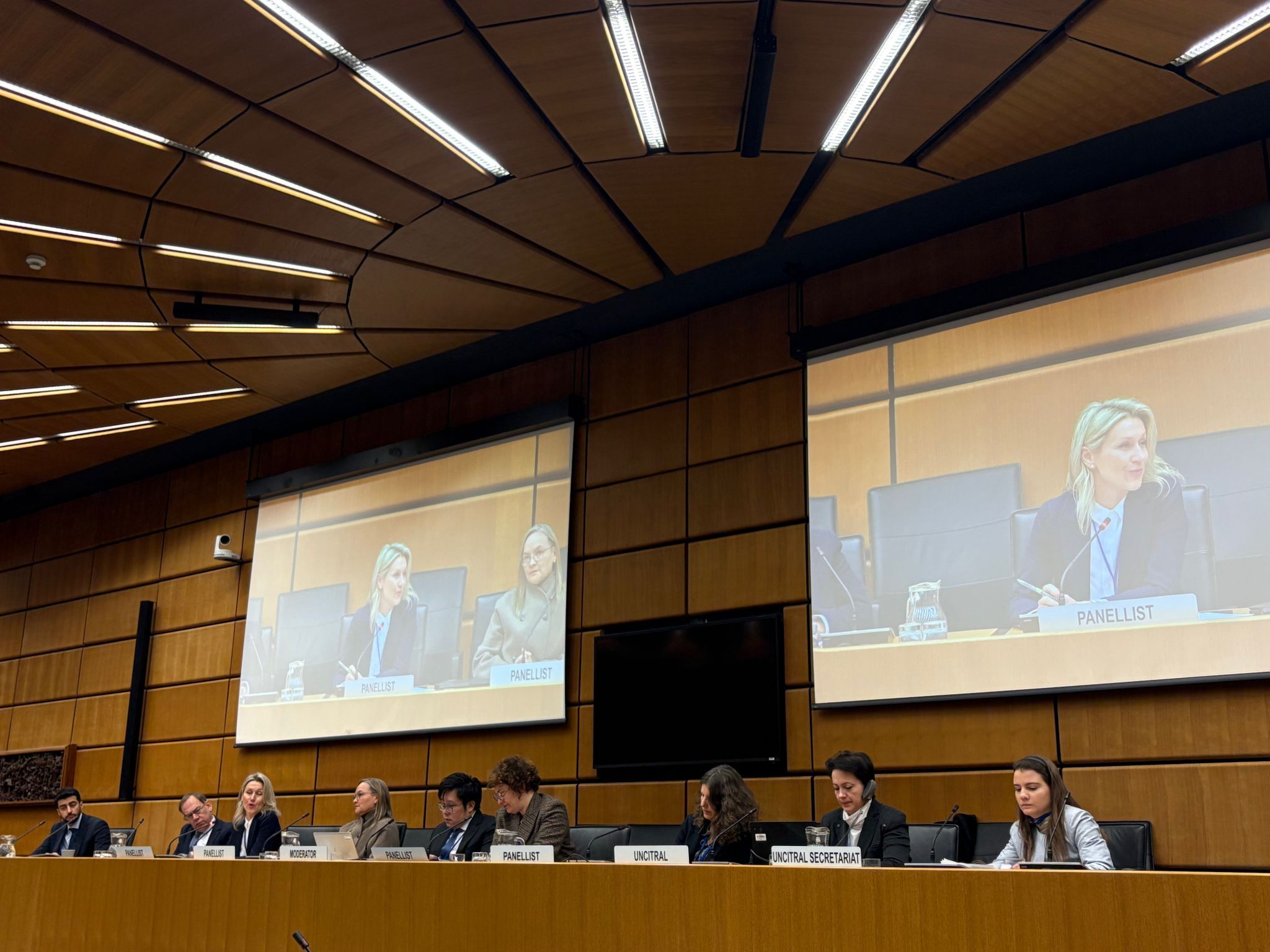
On 26 June 2026, I participated in a business breakfast discussion hosted by Sayenko Kharenko with judges of the Supreme Court of Ukraine, namely Viacheslav Pieskov and Victor Prorok, on the topic of “International Commercial Arbitration & Insolvency”.
It was particularly interesting to hear the judges’ perspective on the intersection of international commercial arbitration and insolvency in Ukraine.
I raised a number of issues that are very sensitive for the Ukrainian market. The judges’ position as of today remains that Ukrainian judges continue to concentrate pecuniary claims falling under Article 7 of the BCU, where the debtor is a party, within pending insolvency proceedings. This is a default position for now.
However, at the same time, there is no ban on ADR. Should the parties so wish, they may commence or continue their claim after insolvency proceedings have been opened. But, this does not mean that the Ukrainian judge will accept a subsequent arbitral award as proof of an undisputed debt in insolvency proceedings when forming the register of creditors’ claims.
Whatever the outcome of the arbitration, and regardless of whether the foreign party has obtained recognition of the international arbitral award in Ukraine, the Ukrainian commercial court judge will, in essence, consider the case de novo, requiring the claiming party to prove its debt and substantiate its claim with original documents.
This approach leaves far more questions than answers, as it essentially raises concerns about how it aligns with the well-known principle of res judicata.
Hence, under this approach, there seems to be no rationale for commencing or continuing international arbitration, as until the Ukrainian judge finally determines the amount of the claim, the party will not obtain the procedural status of a “creditor” in the insolvency proceedings. This, of course, ultimately deprives the party of influence over such proceedings, as it will not have decisive voting rights to affect the insolvency process.
Another interesting topic I raised during the discussion concerned the costs of arbitration when a debtor in insolvency proceedings either wishes to pursue arbitration as a claimant or is forced to defend itself as a defendant, and how that will be ranked in the creditors’ waterfall.
Usually, there will be no willing creditors to fund such expensive proceedings by providing new money, given that no adequate priority safeguards are clearly provided. Nor will there be any willingness on the part of the creditors’ committee or the insolvency practitioner (if that amendment is introduced) to approve the “extraction” of funds for such purposes, as this would decrease the debtor’s liquidation estate and ultimately adversely affect the level of creditor recovery. Food for thought!